Chilled Tantan Udon

Chilled Tantan Udon

A cold, creamy soup and spicy toppings make this noodle dish especially appetizing.

Cooking time:

Servings: Serves 2

  • Ingredients

    • Udon noodles (thick Japanese wheat noodles; fresh or frozen): 2 portions (about 360–500g / 13–18 oz total, depending on package)
    • Ground pork: 100g (3.5 oz)
    • Chingensai / bok choy: 1 bunch (about 200–250g / 7–9 oz)
    • Doubanjiang (spicy fermented broad bean paste): 1 1/2 tsp
    • Cooking sake (Japanese rice wine): 2 tbsp (30ml / 1 fl oz)
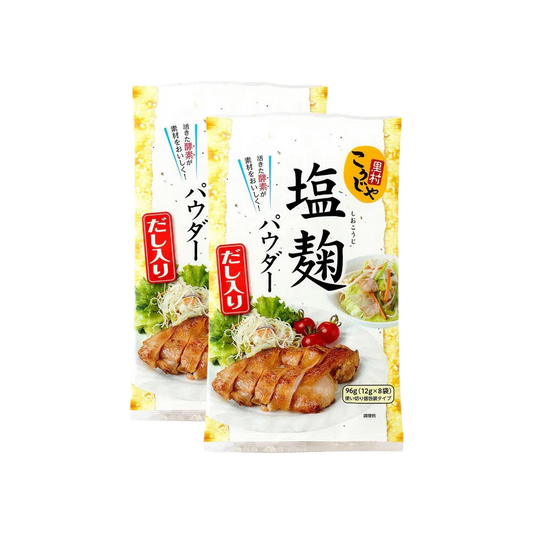
    • Shio-koji powder (powdered salted rice malt seasoning): 1 small packet
    • Sesame oil: 1 tbsp (15ml / 0.5 fl oz)
    • Ground sesame seeds (suri-goma): 2 tbsp
    • White miso (shiro miso; mild and slightly sweet): 2 tbsp
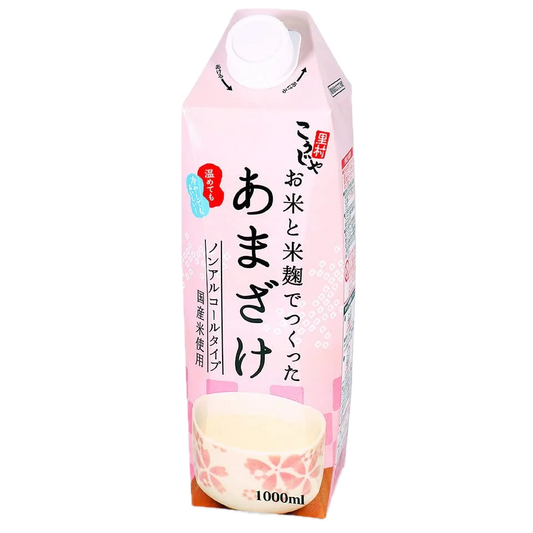
    • Amazake made from rice and rice koji (a sweet non-alcoholic/low-alcohol fermented rice drink): 250ml (8.5 fl oz)
    • Chicken bouillon powder/granules (Japanese-style chicken stock base): 1 1/2 tsp
    • Unsweetened soy milk (unadjusted/plain): 200ml (6.8 fl oz)
    • Rayu (Japanese chili oil): To taste
  • Preparation

    • Make the topping: Heat the sesame oil in a frying pan over medium heat. Add the ground pork and stir-fry until no longer pink.
    • Add the bok choy (roughly chopped into bite-size pieces) and continue stir-frying until tender and cooked through.
    • Add the doubanjiang, sake, and shio-koji powder. Stir-fry until the excess moisture has mostly evaporated and the mixture is well seasoned. Set aside.
    • Make the soup: Put the ground sesame seeds, white miso, amazake, chicken bouillon, and soy milk into a pot. Heat gently (do not let it boil), stirring to dissolve the miso completely.
    • Cool the soup, then chill it in the refrigerator until cold.
    • Cook the udon in plenty of boiling water for the time indicated on the package. Drain and rinse well under running cold water to chill. Drain thoroughly.
    • Serve: Divide the udon between bowls, spoon the pork-and-bok-choy topping over the noodles, and pour in the chilled soup. Drizzle with rayu to taste.

Notes

If you can’t find shio-koji powder, you can substitute 1–2 tsp shio-koji paste, or season with a small pinch of salt plus a splash of soy sauce (adjust to taste).